

The Effects of Summer Heat on Hybrid and Electric Vehicles
Summer heat can significantly impact hybrid and electric vehicles (EVs), affecting everything from battery health to driving range. Understanding these effects can help EV drivers better manage their vehicles during the hot weather. Here are some of the critical ways in which extreme heat influences hybrid and electric cars.
Does your Toyota need maintenance or repair for summertime? Schedule an appointment at the East Coast Toyota Service Center.
Battery Performance Degradation
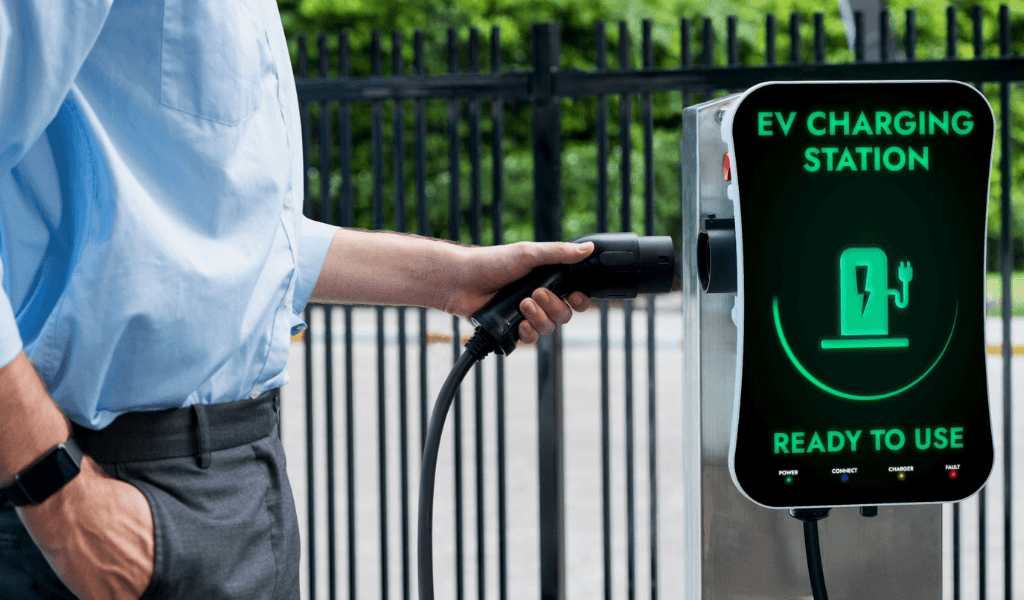
One of the most significant effects of high temperatures on hybrid and electric vehicles is the degradation of lithium-ion batteries. When temperatures exceed 95 degrees Fahrenheit, the chemical reactions within the battery accelerate, leading to faster wear and tear. This can reduce the overall battery life and performance, impacting the driving range and the vehicle’s efficiency. To mitigate these effects, EVs are equipped with thermal management systems designed to keep the battery within an optimal temperature range.
Reduced Driving Range
During the summer months, the efficiency of a car battery can drop, reducing the driving range of electric vehicles. The air conditioning system, necessary for maintaining a comfortable cabin temperature, draws power from the battery, which can further diminish the range. Planning shorter trips or ensuring access to charging stations during long trips can help manage the reduced range. New hybrid vehicles often have better thermal management systems to maintain battery health and extend driving range during hot weather.
Impact on Charging Times
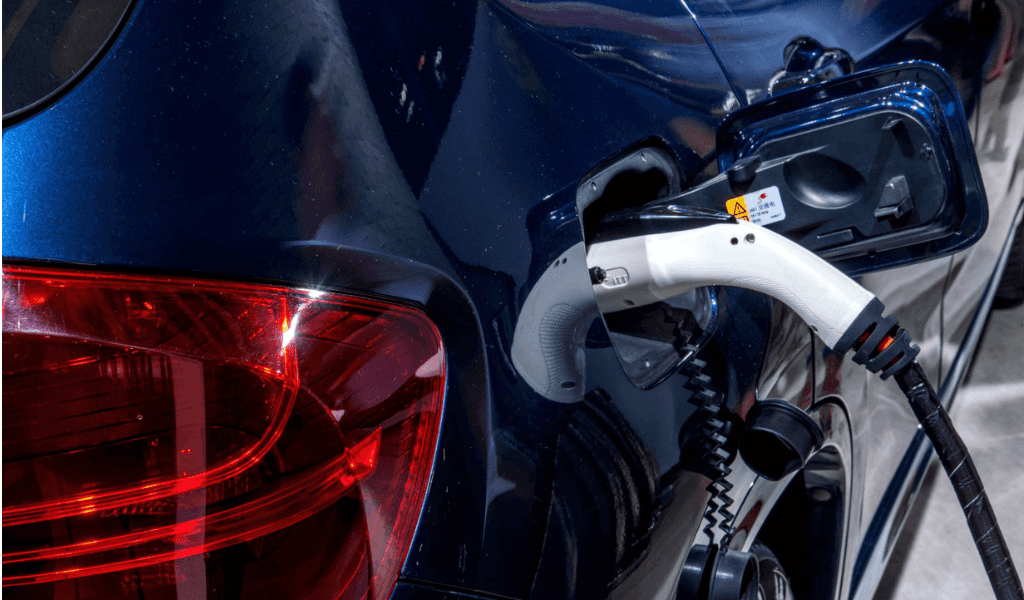
Extreme heat can also affect charging times. When the battery temperature rises, the charging rate may be reduced to prevent overheating, leading to longer charging sessions. This can be particularly inconvenient for EV drivers during road trips or daily commutes. Ensuring your EV charges in shaded or cooler environments can help maintain optimal charging times.
Increased Tire Pressure
Hot weather can cause the air inside tires to expand, leading to increased tire pressure. Over-inflated tires can result in reduced traction and uneven wear, compromising safety and efficiency. Regularly checking and adjusting tire pressure during the summer months can help maintain optimal performance and safety.
Thermal Management Systems
Many modern electric cars come equipped with advanced thermal management systems to combat the effects of extreme heat. These systems actively monitor and regulate battery temperatures to prevent overheating and maintain performance. Understanding how your vehicle’s thermal management system works can help you optimize its use during the hot weather.
Effects on Internal Combustion Engine Components in Hybrids
For hybrid vehicles, the internal combustion engine (ICE) components can also be affected by extreme heat. The engine may work harder to compensate for the heat, leading to increased fuel consumption and potential wear. Ensuring your hybrid vehicle is well-maintained, with regular checks on coolant levels and engine health, can help mitigate these effects.
Battery Health Monitoring
Keeping an eye on your battery health is crucial during the summer months. Many electric vehicles and hybrids come with built-in battery health monitoring systems that provide real-time data on the battery’s condition. Regular monitoring can help you take preventive measures to protect your battery from heat-related degradation.
Schedule a Service Center Visit Today
In conclusion, understanding and mitigating the effects of summer heat on hybrid and electric vehicles is crucial for maintaining performance and longevity. By taking proactive measures such as monitoring battery health, managing tire pressure, and utilizing thermal management systems, EV drivers can enjoy a smooth and efficient ride even in the hottest weather. For more tips on maintaining your vehicle, check out East Coast Toyota’s service center or contact us today to schedule an appointment. Stay cool and drive safe!


0 comment(s) so far on The Effects of Summer Heat on Hybrid and Electric Vehicles