

Understanding Your Car’s Dashboard Warning Lights
Your car’s dashboard is like a built-in alert system designed to keep you informed about the health of your vehicle. When a warning light appears, it’s not something to ignore. Understanding what these lights mean can be the difference between a quick fix and a costly repair. In this post, we’ll break down the most common dashboard warning lights and what you should do when they light up.
Is your Toyota showing warning lights that need inspection? Schedule an appointment at the East Coast Toyota Service Center today.
Engine Temperature Warning Light
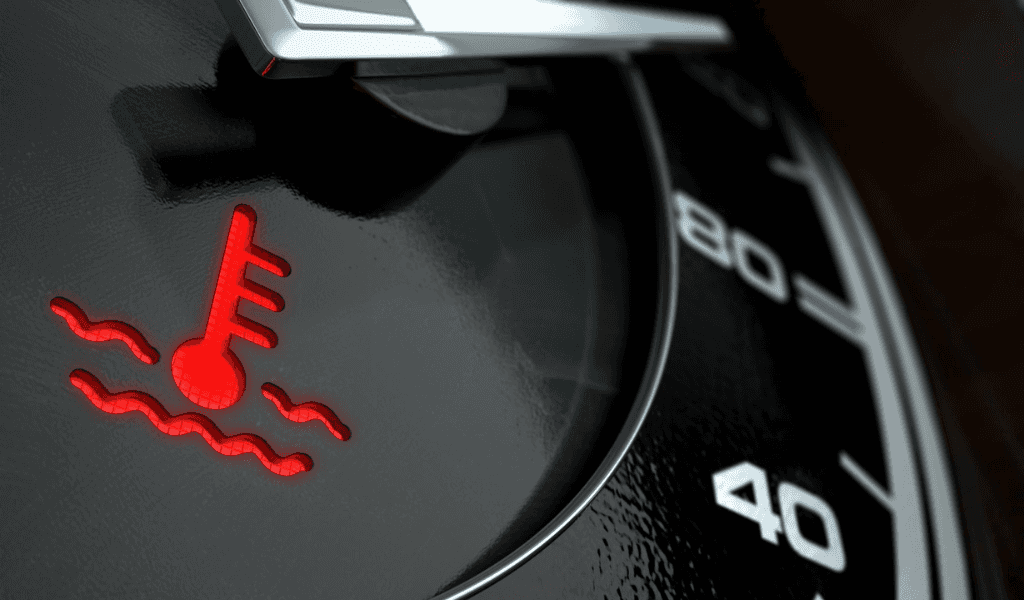
The engine temperature warning light looks like a thermometer submerged in water. When this light illuminates, it indicates your engine is overheating. You should stop the car immediately to avoid severe damage. This light often points to issues with coolant levels or the water pump. Make sure to check these components regularly to keep your engine cool and running smoothly.
Oil Pressure Warning Light
The oil pressure warning light, resembling an old-fashioned oil can, signals that your engine’s oil pressure is too low. This can lead to significant engine damage if ignored. Low oil pressure might be due to low oil levels, a failing oil pump, or a clogged oil filter. Regularly checking and maintaining your oil levels can prevent this issue. If this light comes on, stop the car and inspect the oil levels.
Brake System Warning Light
This light can appear as an exclamation mark inside a circle or the word “BRAKE.” It indicates problems with your brake system, such as low brake fluid levels, issues with the brake pedal, or an engaged parking brake. It’s crucial to address this light immediately as brake failure can be dangerous. Regularly checking your brake fluid levels and ensuring your anti-lock braking system (ABS) is functioning can help prevent this warning.
Tire Pressure Monitoring System (TPMS) Light
The TPMS light, often appearing as an exclamation mark inside a horseshoe, alerts you when your tire pressure is too low. Low tire pressure can affect your car’s handling and fuel efficiency. Maintaining proper tire pressure not only extends the life of your tires but also ensures a safer driving experience. Regularly check your tire pressure and adjust as necessary.
Seat Belt Warning Light
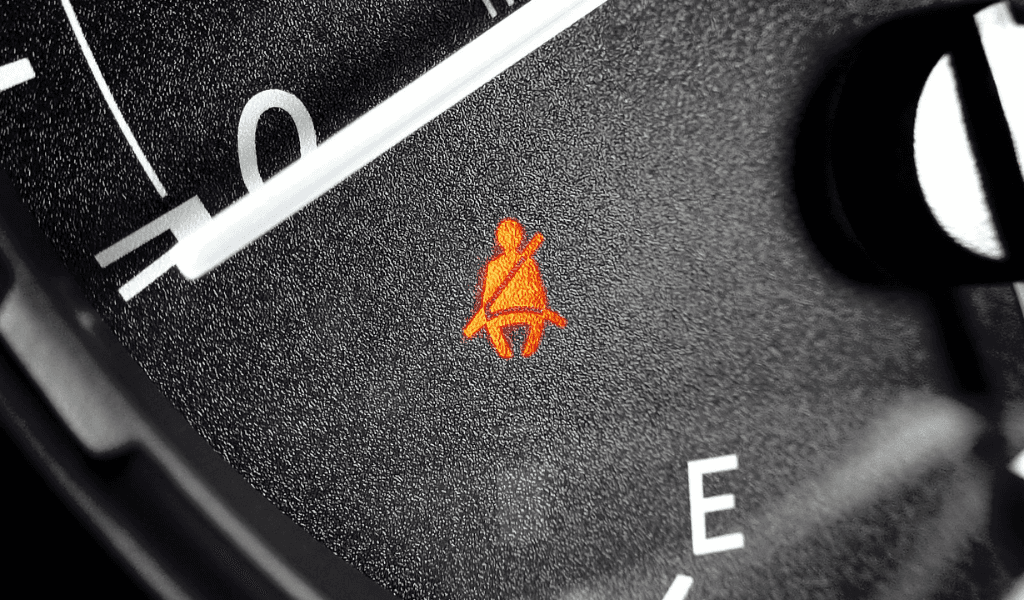
The seat belt warning light is a reminder to buckle up. It often appears as a person wearing a seat belt. This light will stay on or flash until all passengers have fastened their seat belts. Ensuring everyone in the car is buckled up is essential for safety. Always make it a habit to check that all seat belts are secured before starting your journey.
Battery Warning Light
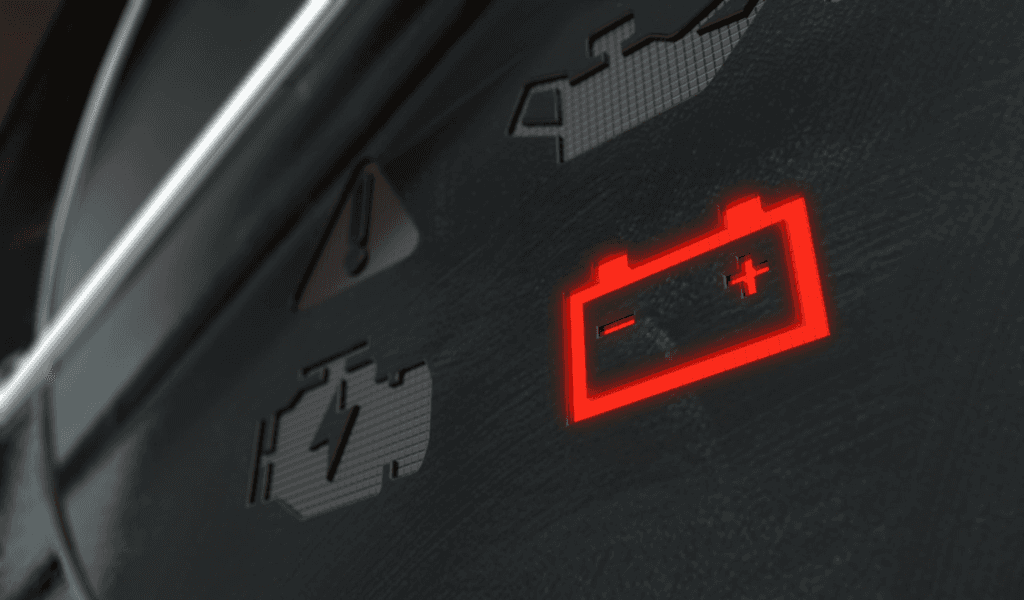
The battery warning light typically looks like a rectangular car battery with positive and negative terminals. When this light comes on, it indicates a problem with your vehicle’s charging system, which could be due to a failing alternator, loose or corroded battery cables, or a dying battery. If this light illuminates, your car might still run for a short period, but it’s crucial to address the issue quickly. Without a functioning charging system, your vehicle could stall, leaving you stranded. Regularly inspecting your battery and charging system can help avoid unexpected breakdowns.
Schedule a Service Appointment Today
Understanding these common dashboard warning lights can help you maintain your vehicle’s health and ensure your safety on the road. If any of these lights illuminate, it’s essential to address the issue promptly. Schedule your service appointment today at East Coast Toyota to keep your car running smoothly and safely!


0 comment(s) so far on Understanding Your Car’s Dashboard Warning Lights