

Spotting Trouble: What Your Oil Filter Can Tell Us About Engine Health
Your oil filter is more than just a component; it’s a crucial indicator of your engine’s overall health. By examining what it traps and retains, you can uncover valuable clues about the internal state of your engine. Understanding these signs is key to preventing long-term damage and ensuring that your vehicle continues to operate smoothly and efficiently.
If you’re looking for a new or used Toyota then visit us today at East Coast Toyota, and if your Toyota needs service then stop by the East Coast Toyota Service Center.
Signs of Wear and Tear
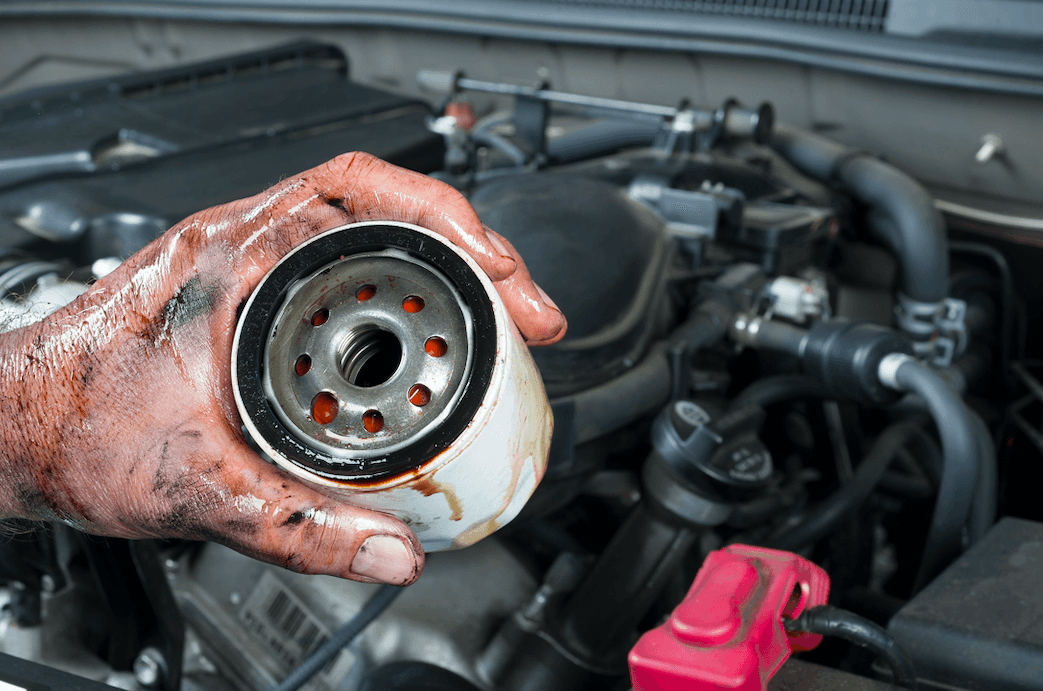
The condition of the oil filter can reveal the early stages of wear and tear in the engine. When you remove the filter, check for metal particles or grit in the oil. These are often shed from engine components experiencing undue stress and friction. Such signs indicate that the moving parts aren’t running as smoothly as they should, potentially leading to significant engine damage if not addressed promptly.
The Color and Texture of Motor Oil
Observing the oil during a filter change offers critical insights into your engine’s health. Clean oil should be amber in color and smooth in texture. If the oil appears black, thick, or gritty, it suggests contamination and poor oil health, which can impair engine performance. Consistently dirty oil can clog the oil filter, strain the oil pump, and diminish oil pressure, all of which jeopardize the engine’s ability to operate efficiently.
Unusual Engine Noises
A clogged oil filter often leads to unusual engine noises, such as knocking or tapping, which arise from inadequate lubrication. When the filter fails to remove contaminants effectively, these impurities can cause friction among engine parts, resulting in sounds that signal trouble. Ignoring such noises can lead to a complete engine overhaul, which is both costly and preventable.
Oil Pressure and Warning Lights
An essential function of the oil filter is to maintain stable oil pressure within the engine. A drop in oil pressure, often indicated by the oil pressure warning light on your dashboard, can signify a clogged filter. This reduction in pressure can cause the engine to overheat and reduce its performance. Regular checks can prevent such issues and keep your vehicle running smoothly.
Following the Manufacturer’s Recommendations
Adhering to the manufacturer’s recommendations for filter replacement is crucial. Each vehicle has a specific schedule based on engine type and environmental conditions under which the vehicle operates. Sticking to these guidelines ensures optimal engine health and longevity. Delaying filter changes can lead to increased wear and tear, and potentially costly repairs.
Keep Your Engine Thriving: Schedule Your Oil Filter Check Today
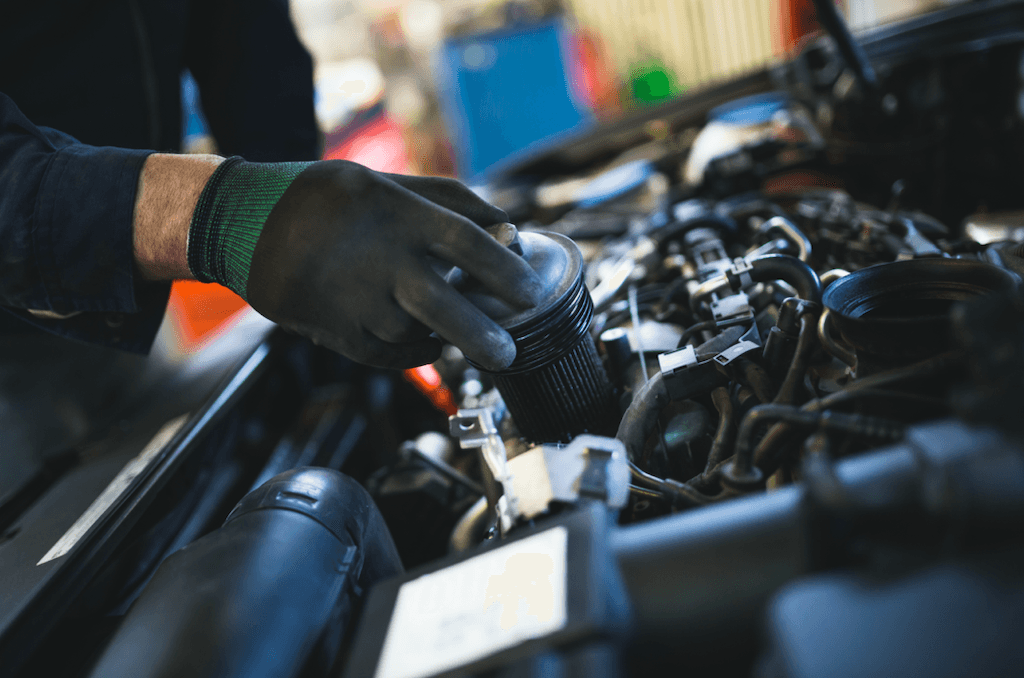
Regular maintenance of your oil filter is more than a chore; it’s a crucial practice to keep your engine in prime condition. At East Coast Toyota, we understand the importance of detailed engine care. Visit our website or contact our service department to learn more about genuine Toyota oil changes and to schedule your next service appointment. Let us help you keep your engine healthy and your vehicle running like new.
Schedule your oil filter check today and ensure your peace of mind on the road!


0 comment(s) so far on Spotting Trouble: What Your Oil Filter Can Tell Us About Engine Health